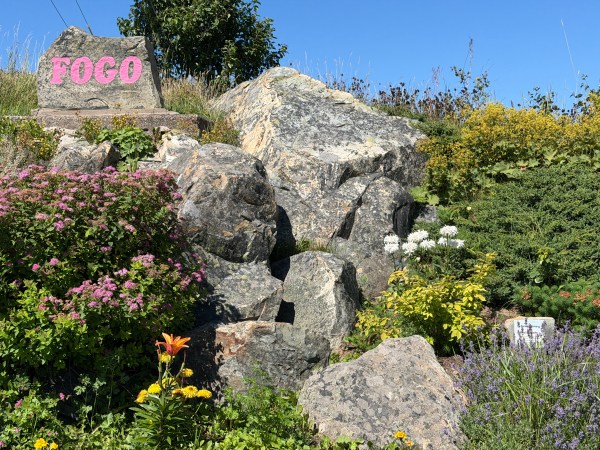
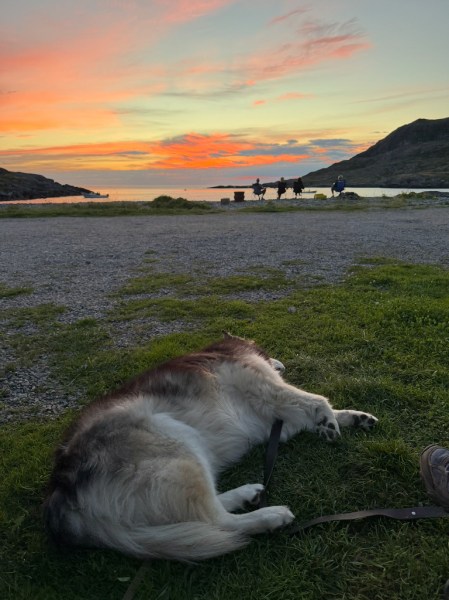
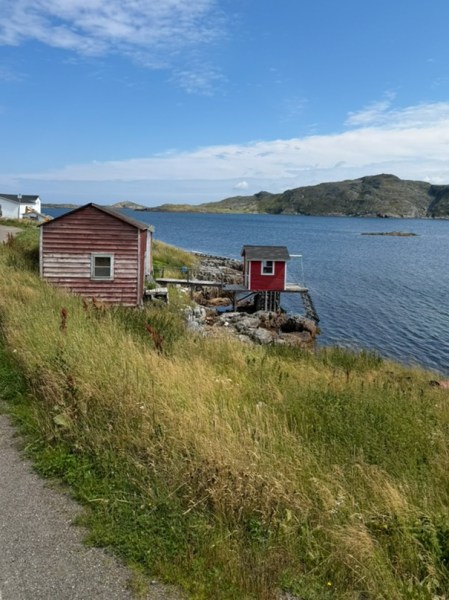
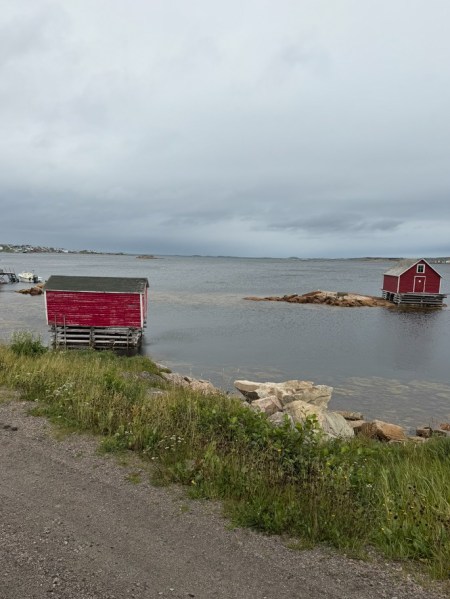
Fogo Island on the north coast of Newfoundland is one of the most historically interesting and physically beautiful communities in Canada.
The Island’s fishing heritage extends back to the mid-1600s; its modern economic model extends back to the 1960s. The winter climate is demanding, and because it is only accessible by ferry, it is remote and highly dependent on imported supplies and services. Now with a residential population of roughly 2,000 (down from roughly 5,000 at its peak), Fogo Island is an extraordinary example of resilience, innovation, and adaptation.
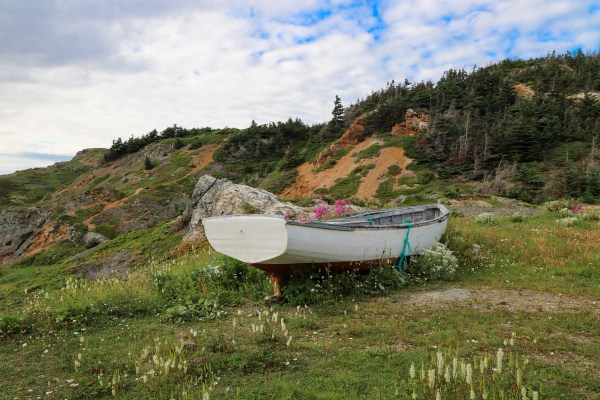
The modern history of Fogo Island was defined by a governmental effort to “resettle” its residents during the 1960s, which was countered by the organization of a successful fishing/boat building cooperative, now almost 60 years old.
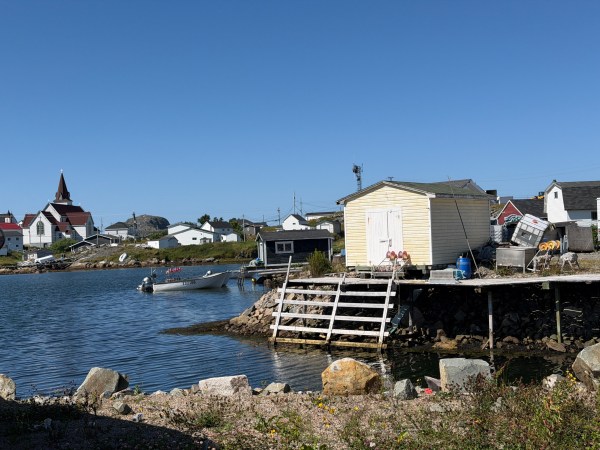
Resettlement in Canada began in the 1950s with the goal of reducing the costs and service demands of public programs in rural and isolated outports. The idea was to move small populations out of these areas and concentrate them in communities with a modern infrastructure of roads, electricity, water, and schools.
In Newfoundland and Labrador, a joint federal-provincial program known as the Fisheries Household Resettlement Program was launched in 1965. The program identified “growth areas” where residents could move. Small incentives were provided to relocate. Heads of households were paid $1000 for the costs of moving their residence (sometimes even floated to new locations); individual household members received $200 allowances; and reimbursements were included for other approved relocation expenses. From 1965 to 1970, more than 16,000 residents moved from 119 communities to new resettlement locations. Over the longer period 1954-1975, an estimated 30,000 residents were resettled from 300 Newfoundland and Labrador communities.
This resettlement experience in the province has been extensively documented, including the adverse effects of trauma, negative financial and employment effects on individuals and families (especially older adults), and the displacement of lifestyles and bonds that existed in the former outpost communities. Left in its place were many “ghost town” communities along the Newfoundland and Labrador coasts.
Fogo Island resisted this governmental resettlement effort. Beginning in 1957 Islanders organized to consider options for building a sustainable economy and services. In the late 1960s, a group of Fogo Island residents and fishermen, national cooperative organizers, and allies from the National Film Board and Memorial University mobilized to ward off the resettlement challenge and create a modern fishing cooperative that would demonstrate long-term economic viability.
Filmmaking was used as a form of advocacy, marketing, and organizing. In what came to be known as the “Fogo Process,” film documentaries were produced to give voice to disparate communities on the Island, demonstrate a common purpose across these communities, and communicate to a wider provincial and national audience the Island’s capacity and commitment to sustain itself. A collection of 27 films from this process are still available for viewing through the National Film Board.
The Founding of the Cooperative is a remarkable film illustrating the working conditions of the fishermen, the actual meetings and discussions that created the Cooperative, and how the practicalities of governance and politics were worked out as this new shared shipbuilding and fishing enterprise took shape. Highly recommended.
The original agenda for the Fogo Island Cooperative included boat building (larger ships to support modern offshore fishing), fish processing, and the negotiation of favorable terms for local fishermen’s catch. The fishing context of the 1960s included a sharp decline of the historic cod stocks due to overfishing. In 1992 the Government declared a moratorium on cod fishing to counter the extraordinary collapse the cod population – estimated to be only one percent of its historic high. This ban cost somewhere between 30,000 and 37,000 fishermen and plant workers their jobs, an economic and cultural effect that is still being felt. In 2024 the government halted the moratorium, though with strict catch limits still in place.
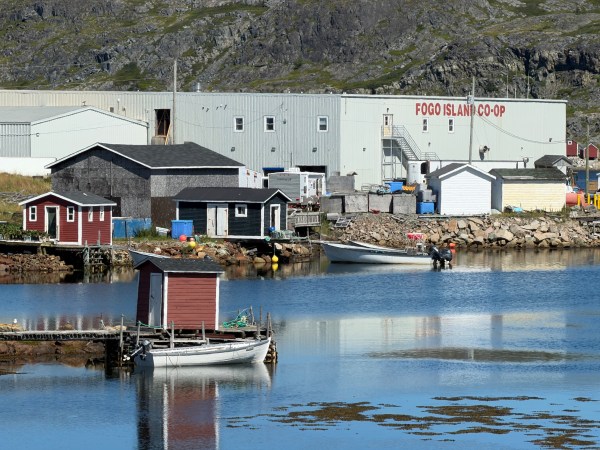
The modern era of the cooperative includes a commitment to sustainability and diversification. Distribution and processing now include species as diverse as lumpfish and sea cucumber, in addition to the traditional catches of cod, halibut, herring, mackerel, capelin, snow crab, and shrimp.
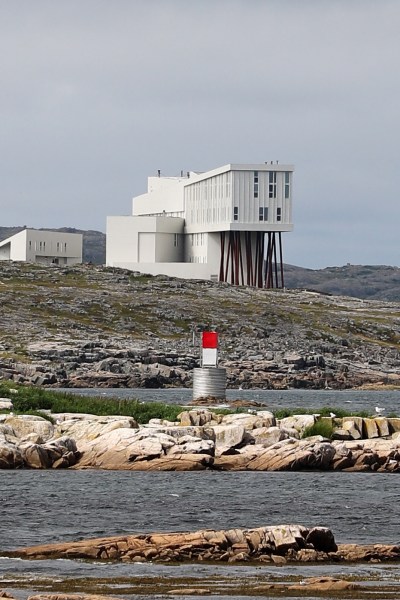
More broadly, Fogo Island has embarked on an innovative model of economic and community development, spurred by the investments and leadership of Zita Cobb, a successful entrepreneur and multi-generation Island resident. Cobb built the Fogo Island Inn, regarded as one of the world’s great luxury hotels, as a vehicle to recruit high-end tourism and create jobs. Along with other members of her family, Cobb founded Shorefast, the foundation and social enterprise orchestrating a portfolio of arts and community development initiatives for the long-term viability and sustainability of the Island. On the ground, there are many signs of innovation and entrepreneurship, over and above the singular efforts of Cobb and Shorefast.
Our observations from two visits to Fogo Island are that the fishing industry – its bedrock economic engine – continues to face challenges due to variabilities in the catch, pricing, and relentlessly rising underlying costs. On the other hand, the sense of self-sufficiency and sustainability that are in the DNA of this island are everywhere on display. The micro-entrepreneurship, cooperation, and trust that comes out of the Island’s history has created a thriving and interesting community that appears to be successfully balancing the values of residents with the demands and incursions of tourists and outislanders.