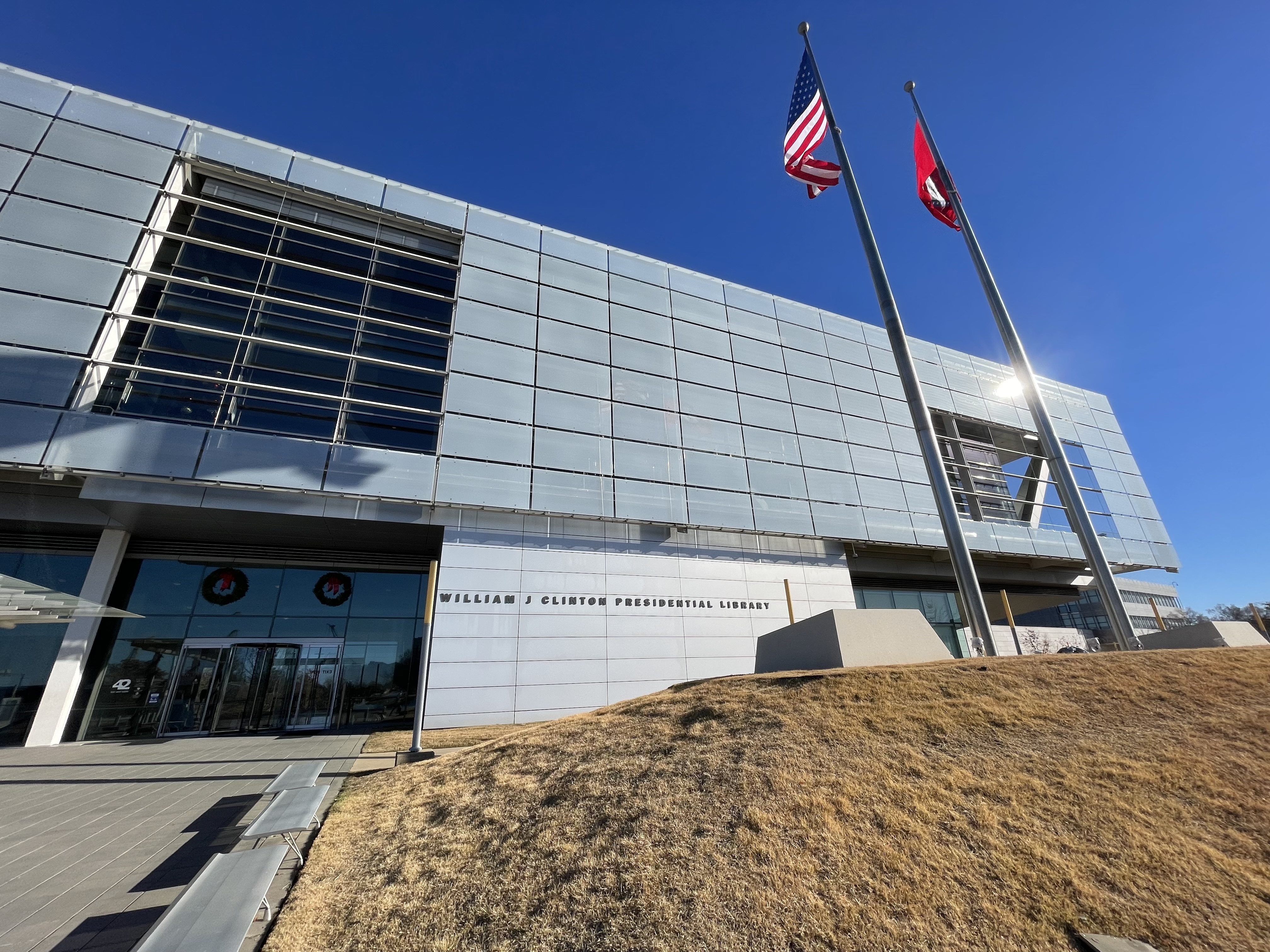
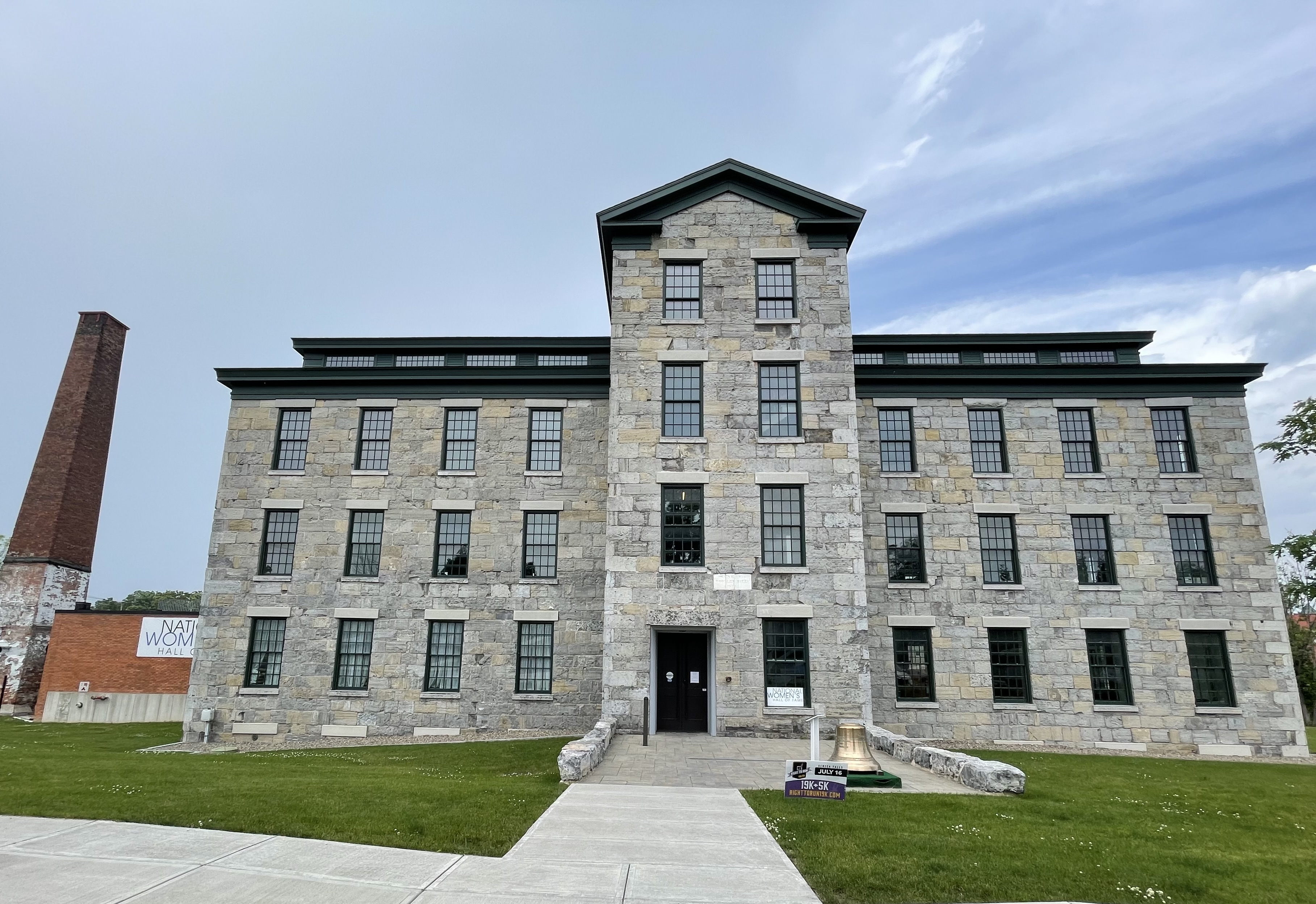
A pervasive feature of the North American landscape – urban, suburban, rural – are museums of every size and purpose. From county historical societies or private hobby collections in small communities to major destination sites such as presidential libraries or national art museums, it is possible to organize trips almost entirely around museum hopping. Indeed, some of the common road trip planning tools like Roadtrippers can populate a whole route – town by town – with museums of every type. Museums have played a central role in our van travels, so what follows is a kind of informal museology – the formal study of museums – as seen from our van. What follows is only a subset of the extraordinary number of museums we have enjoyed.
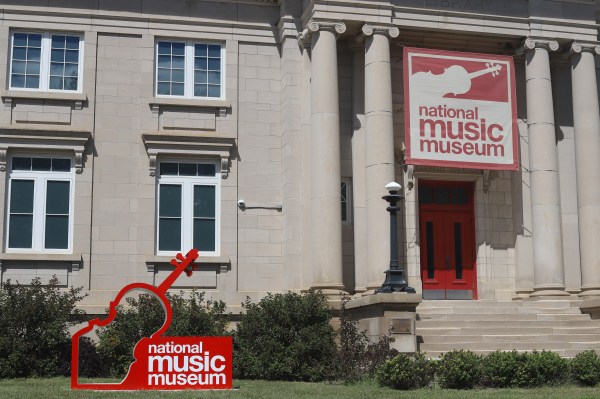
Vermillion, SD
Some amazing museums pop up in what might seem like unlikely locations. Our friend Bill Pollak suggested we should check out the National Music Museum in Vermillion on the campus of the University of South Dakota. It turned out to be a remarkable institution – one of the best collections of musical instruments in the world. A key subsystem of museums is embedded in colleges and universities. Some of these are formally supported by universities and other independents have chosen to locate on or near campuses.
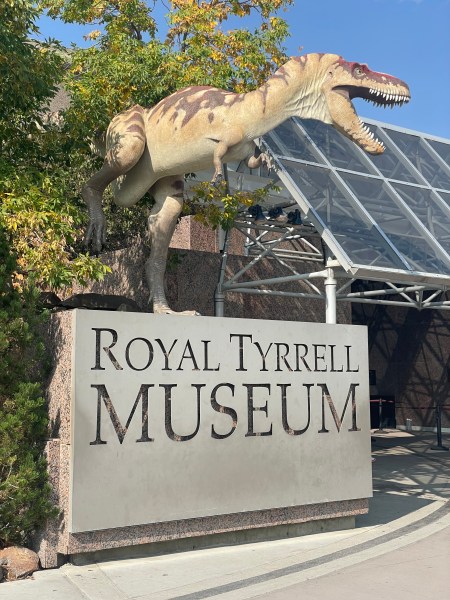
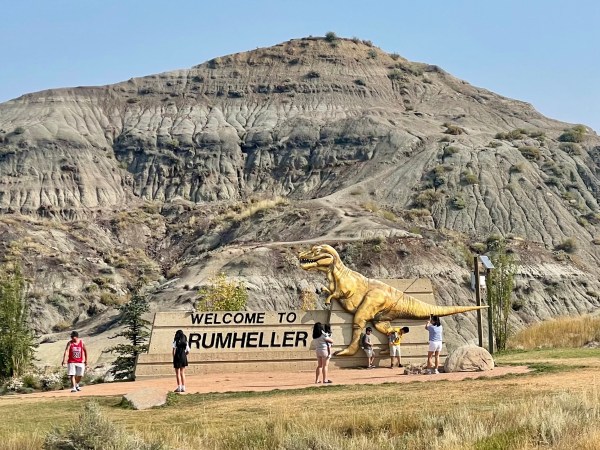
The motivations for these museums vary widely. The large-scale cultural institutions enjoy permanent funding, collections, and staff that support their own regional microeconomies. The Crystal Bridges Museum of American Art in Bentonville, AR, for example, has played a major role in transforming the whole identity and tourist economy of its region. Canada’s Royal Tyrrell Museum in Drumheller anchors a large-scale scientific program in paleontology and elevates the province of Alberta’s visibility as a world destination for dinosaur enthusiasts.
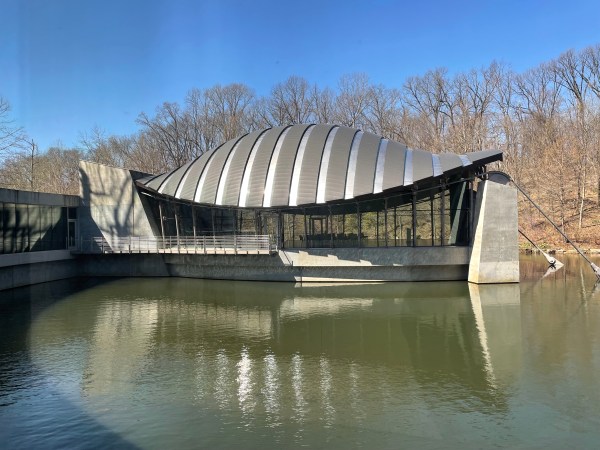
Bentonville, AR
While it is difficult to find reliable metrics for this museum economy (complicated by definitions, lack of timely data, etc.) in total it is undoubtedly big: best estimates indicate museums themselves account for $50 billion in economic activity, directly employ about 375,000 workers, and generate large multipliers in their regions especially related to tourism.
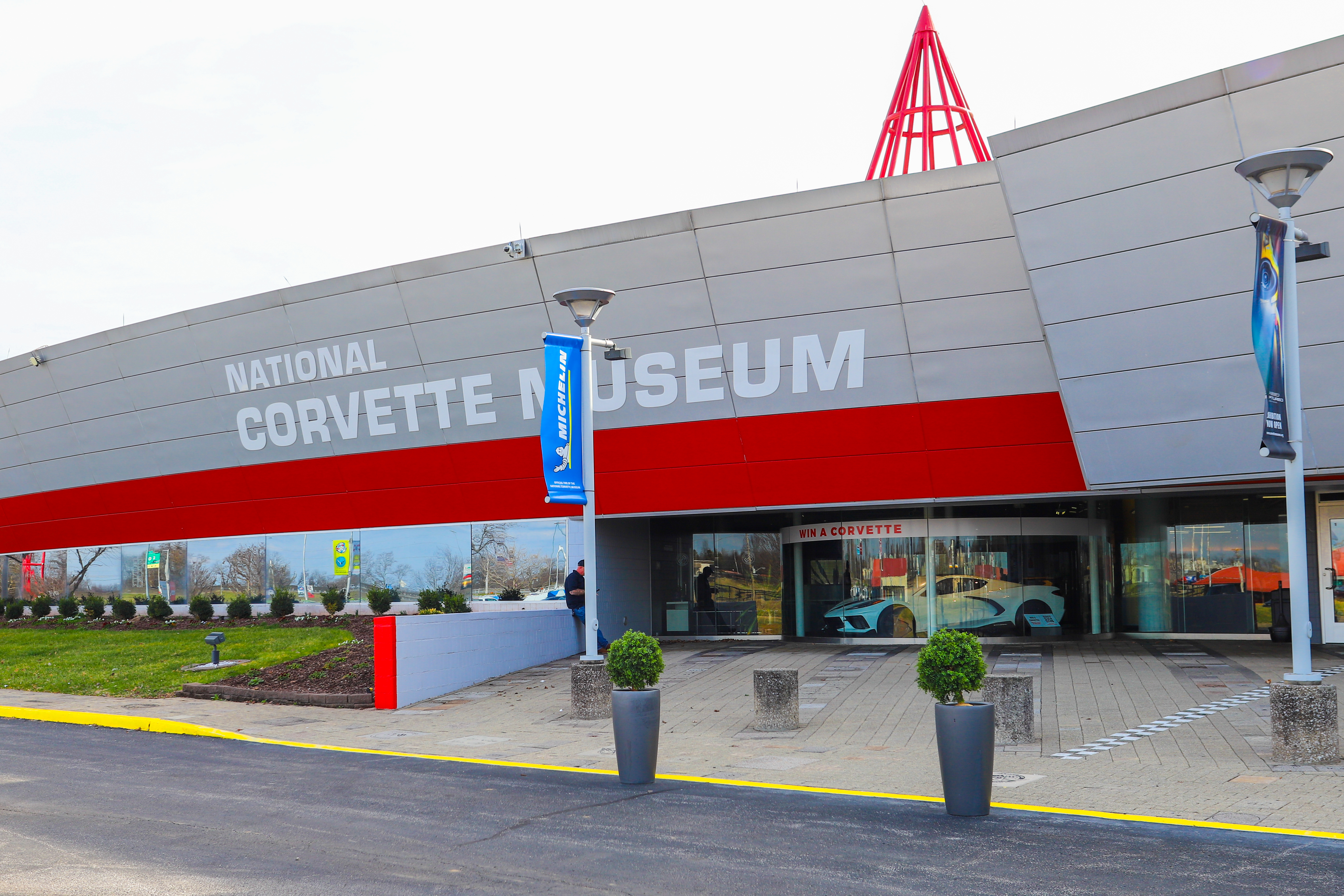
Midscale museums can reinforce the identity and celebrate the specific history of an area. Bowling Green, KY, is well-known for the National Corvette Museum, a destination in its own right but also a reminder of the massive auto industry in the region. The National Quilt Museum in Paducah, KY, fits perfectly with the city’s aspiration to be seen as an arts and crafts mecca. The Museum of Appalachia in Clinton, TN, an affiliate of the Smithsonian, is an incredible window into the history and culture of Southern Appalachia in the pioneer days.
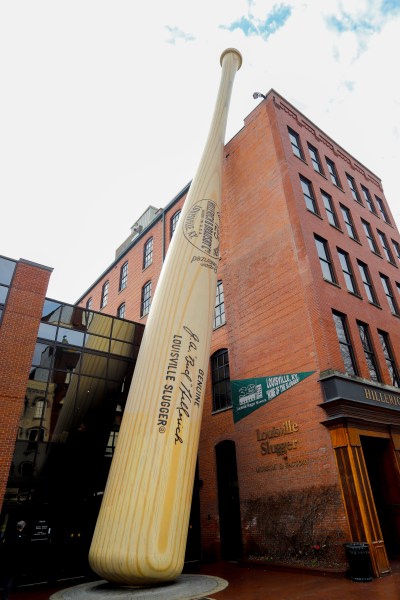
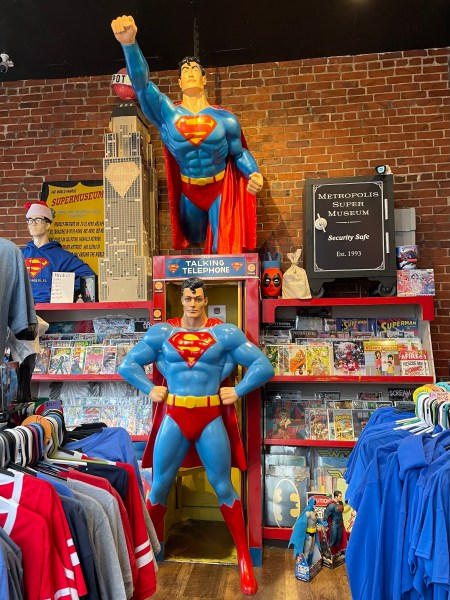
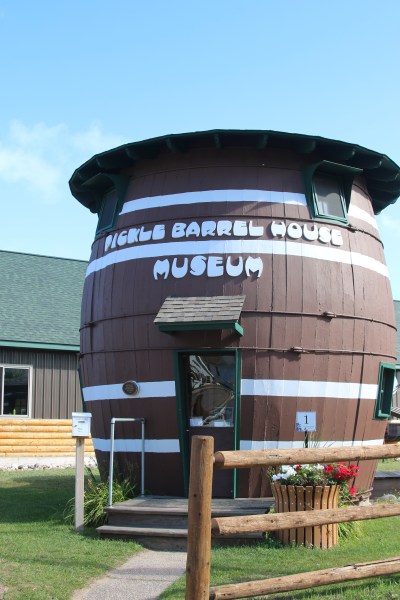
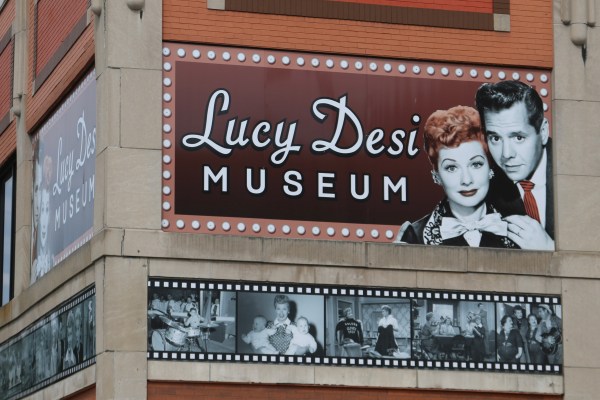
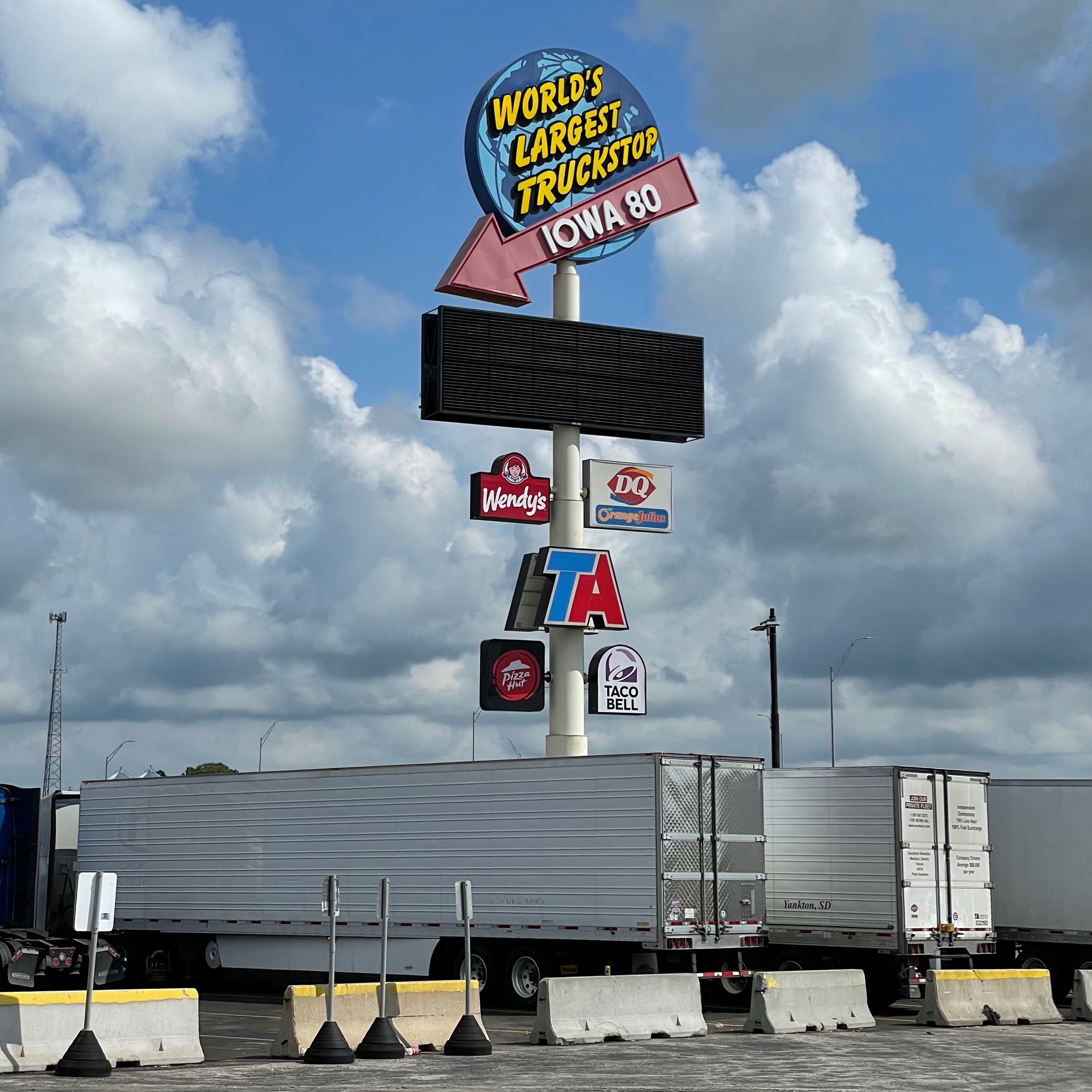
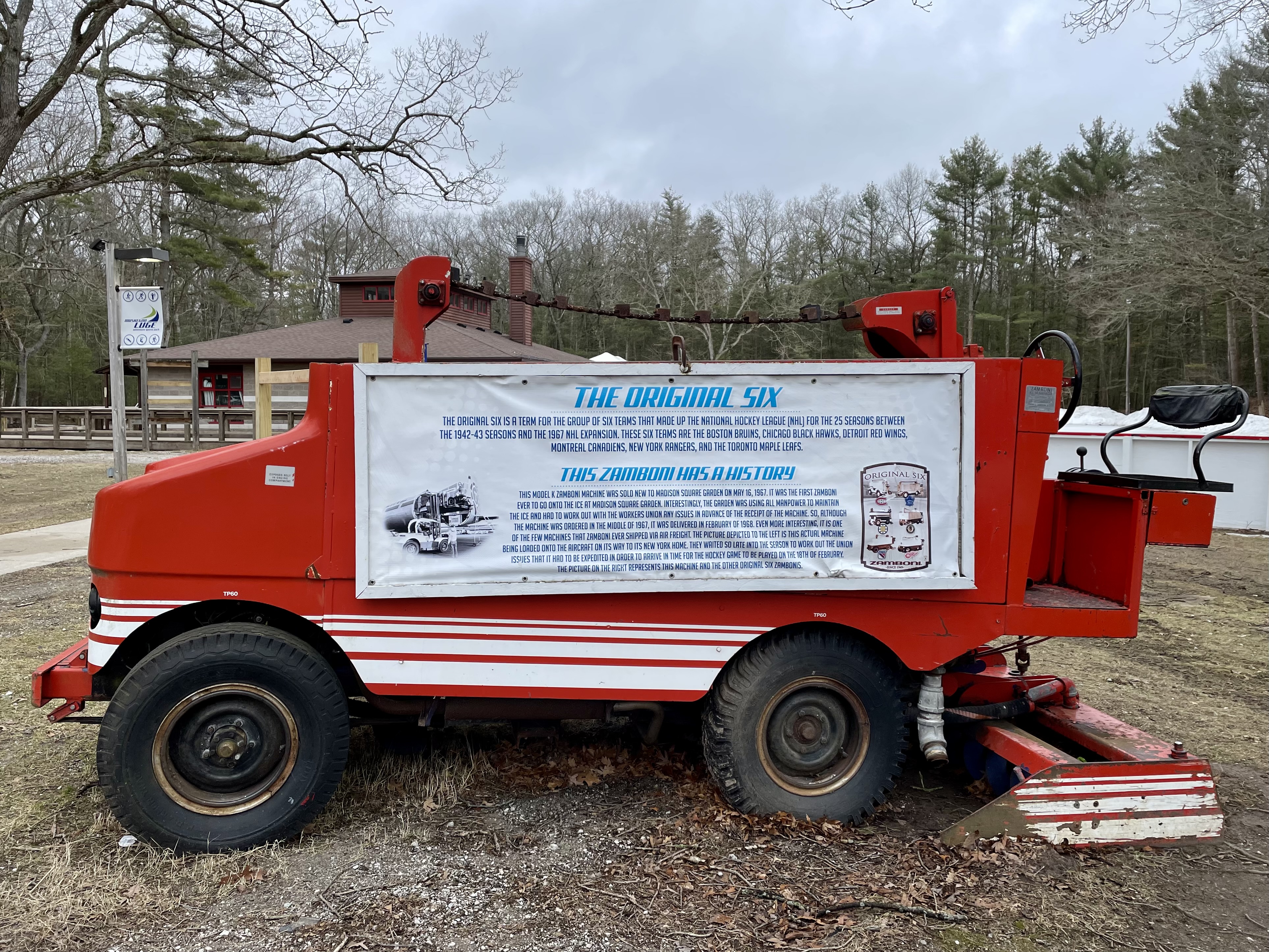
Many smaller communities have bet that investments in niche museums will draw tourism and stimulate local economic development. Some of the most fun museums are small sites that are either the product of personal interests or a piece of local history. One version of these little museums are store/museum combinations such as the Super Museum in Metropolis, IL; the Iowa 80 Trucking Museum at the world’s largest truck stop in Walcott; the Louisville Slugger Museum in Kentucky; or a detailed display about Navajo Code Talkers at a Burger King in Kayenta, AZ, that directs visitors to the Navajo Shadehouse Museum next door. We have seen our fair share of very fun, gimmicky museums and installations while traveling: the Pickle Barrel House in Grand Marais, MI; the Lucy Desi Museum in Jamestown, NY; and the first-ever Zamboni used in Madison Square Garden, on display in Muskegon, MI, to name a few.
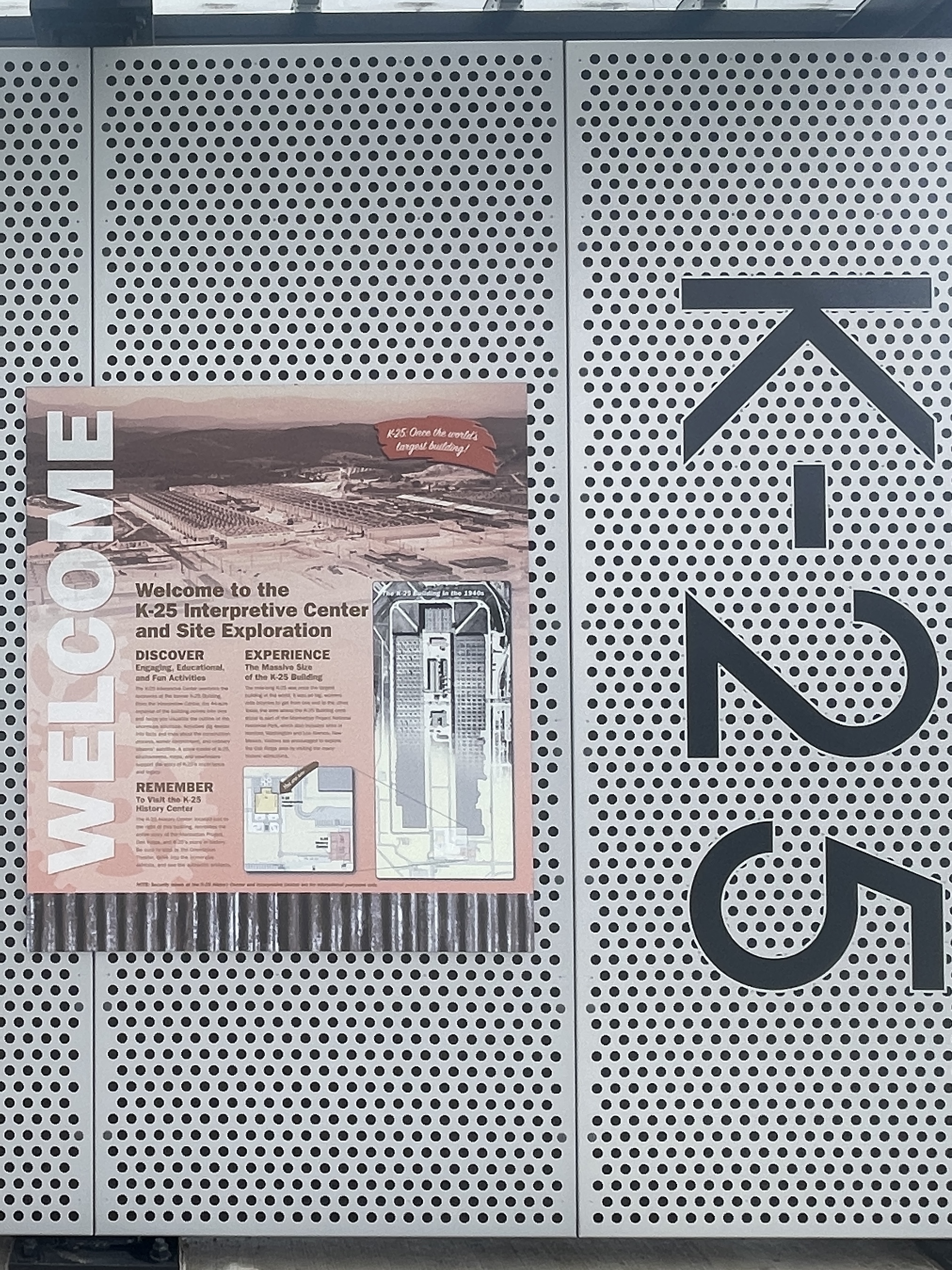
It is possible to build an experiential history and science education by identifying good museum stops as part of the itinerary. For us this has included many of presidential libraries and related sites. The highpoint science museums have included the Alexander Graham Bell National Historic Site in Baddeck, Nova Scotia; the Royal Tyrrell Museum in Drumheller, Alberta (amazing dinosaur fossils and a 54 million year science lesson in one visit!), and most recently the K-25 History Center in Oak Ridge, TN. There is no substitute for standing on the site of the 1940’s uranium-enrichment plant – in its day the largest building in the world – to understand the scale, speed, and seriousness of the Manhattan Project.
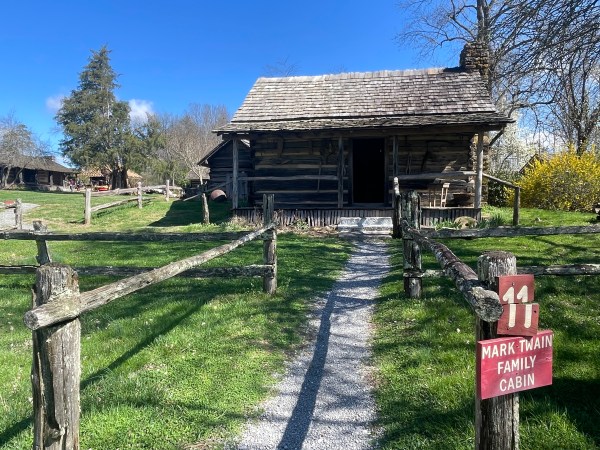
Family homes of important or interesting figures provide a very focused history lesson. Franklin Roosevelt’s summer home on Campobello Island, the (transplanted) Clemens home in Tennessee, and the Eisenhower home in Abilene, KS, gave us insights into the early years of these famous people. Spending time at the Biltmore Estate in Asheville, NC, provided an overview of the grandeur and scale of this collaboration of the Vanderbilts and Frederick Law Olmsted. Speaking of Olmsted, the combination of Frank Lloyd Wright’s Martin House and the surrounding community in Buffalo is an amazing combination of indoor and outdoor artistry.
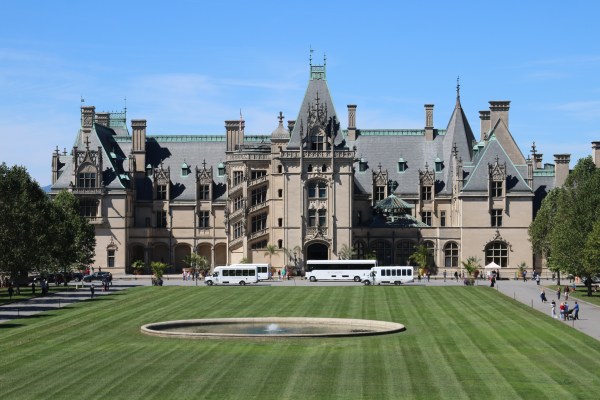
Asheville, NC
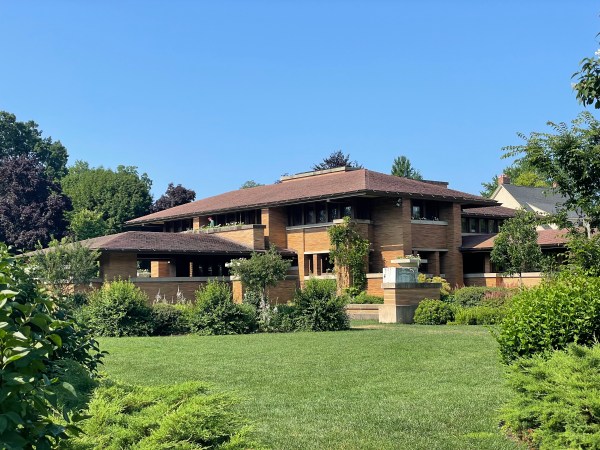
Buffalo, NY
Great museums are not all indoors. A scenic bike trail (at 10,000 feet!) in Leadville, CO, has historical displays about the area’s early mining industry. The Port Union National Historic District in Newfoundland is a fascinating townscape displaying a union-built community designed to give fisherman countervailing power against the merchants’ price setting and labor practices. Many state parks, where we often camp, are organized around formal historical artifacts or installations.
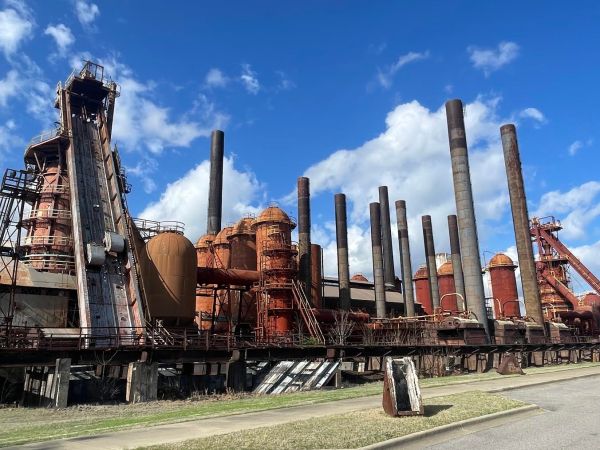
We have encountered many genres of local museums. Recently we walked through two mining and ironworks sites, the Quincy Mine in Houghton, MI, now part of the Keweenaw National Historical Park; and the Sloss Furnaces National Historic Landmark in Birmingham, AL, display the remarkable history and significance of copper mining and the ironworks industry in their geographies. Dinosaur museums, both serious and whimsical, have surfaced throughout our travels. Car and truck museums are a staple of the American road trip. We regret (actually, just Eddie regrets) not visiting the International Towing and Recovery Museum in Chattanooga, TN, because we ran out of time….
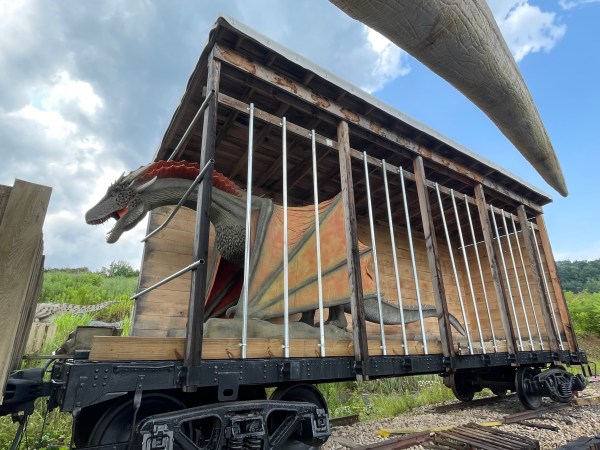
A particularly curious genre are museums that combine seemingly unrelated collections of things: the Space & Bicycle Museum in Sparta, WI, and the train and animatronic dinosaur collection at Dolittle Station in Dubois, PA. Other museums have used either their collections or missions to stimulate arts programming or installations. The Sloss Iron Foundry, for example, now sponsors an internationally famous metalworking school and fellowships.
Since our time in St. Louis, we have had a particular interest in following the Lewis and Clark Trail and visiting related museums and sites. We have seen everything from the starting point exhibit at the Museum under the Gateway Arch and key portage points along the Missouri River, to Fort Clatsop near the mouth of the Columbia River in Oregon. Recently while traveling the Natchez Trace National Byway, we camped near the site of Meriwether Lewis’s untimely death – at the age of 35 – and viewed a memorial exhibit and his gravesite.
Like the National Park system, America’s landscape of museums is a national treasure, not to be taken for granted. For either free or low cost, a vast array of historical, cultural, and scientific assets is accessible in virtually every region. It is the product of a crazy patchwork of government, philanthropic, private, and entrepreneurial resources and efforts. Support has come from big wealth and philanthropy – such as the Carnegies and Waltons – down to the most bootstrapped and cause-driven community supporters. Like so many other public goods, we should consider this patchwork as fragile and needing of protection and support.
*Museology definition: the study of museums. It explores the history of museums and their role in society, as well as the activities they engage in, including curating, preservation, public programming, and education.

 Betsy and Eddie's Van Life