Our post-pandemic travel through small towns reveals a trend that has been widely-noted but perhaps not fully appreciated: many towns now do not have any local independent restaurants or cafes in their downtowns.
While many Burger Kings, Wendy’s, and other franchise fast food stores have also closed, in many communities these national or regional chains are all that is left. Search and search for any alternatives, and many towns simply have just a strip of fast food, generally not in the downtown but on a feeder to an interstate or other main throughway.
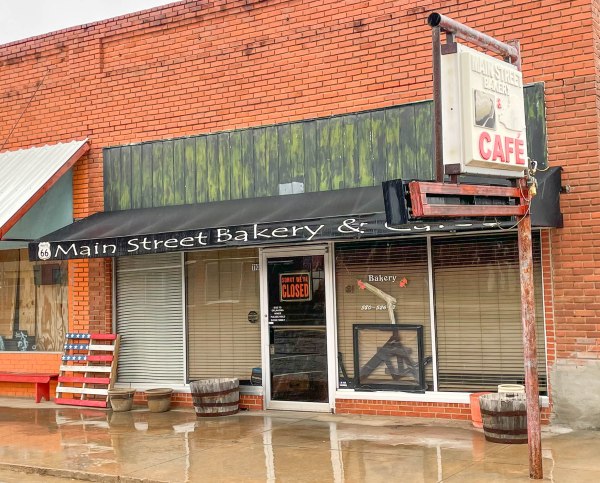
In 2016 we did an extended article about our experience at the Main Street Bakery and Café in Erick, Oklahoma. We went back to visit this café again this year and unfortunately it has permanently closed, with no other alternatives left in town.
Undermining the survival of local independent food stops has been the growth and expansion of gas station convenience stores that offer snacks, liquor, staples, and travel-related products. Importantly, most of these stores have added their own varieties of fast food, from breakfast items, to pizza, hot dogs, bakery, and other staples of the modern American convenience diet.
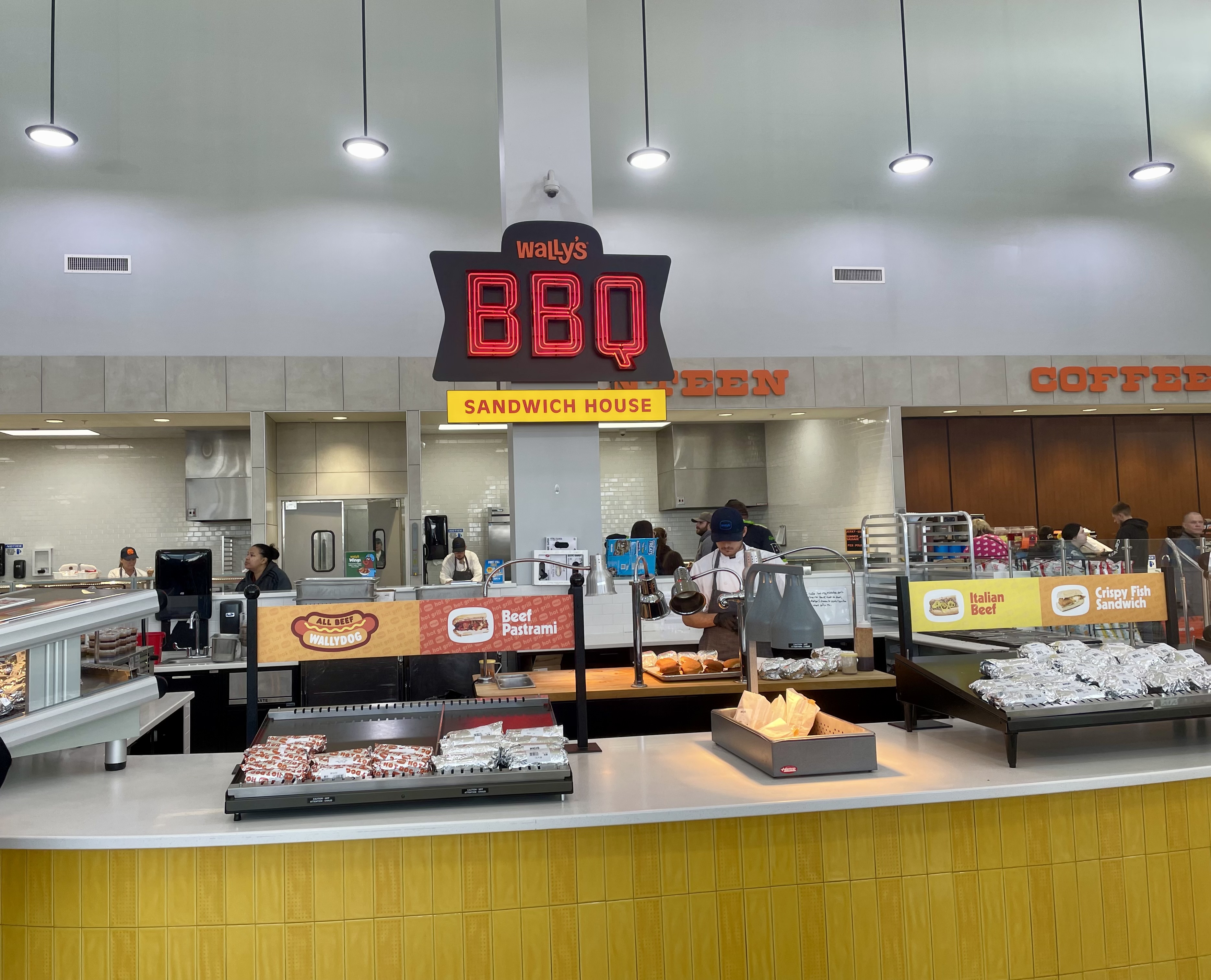
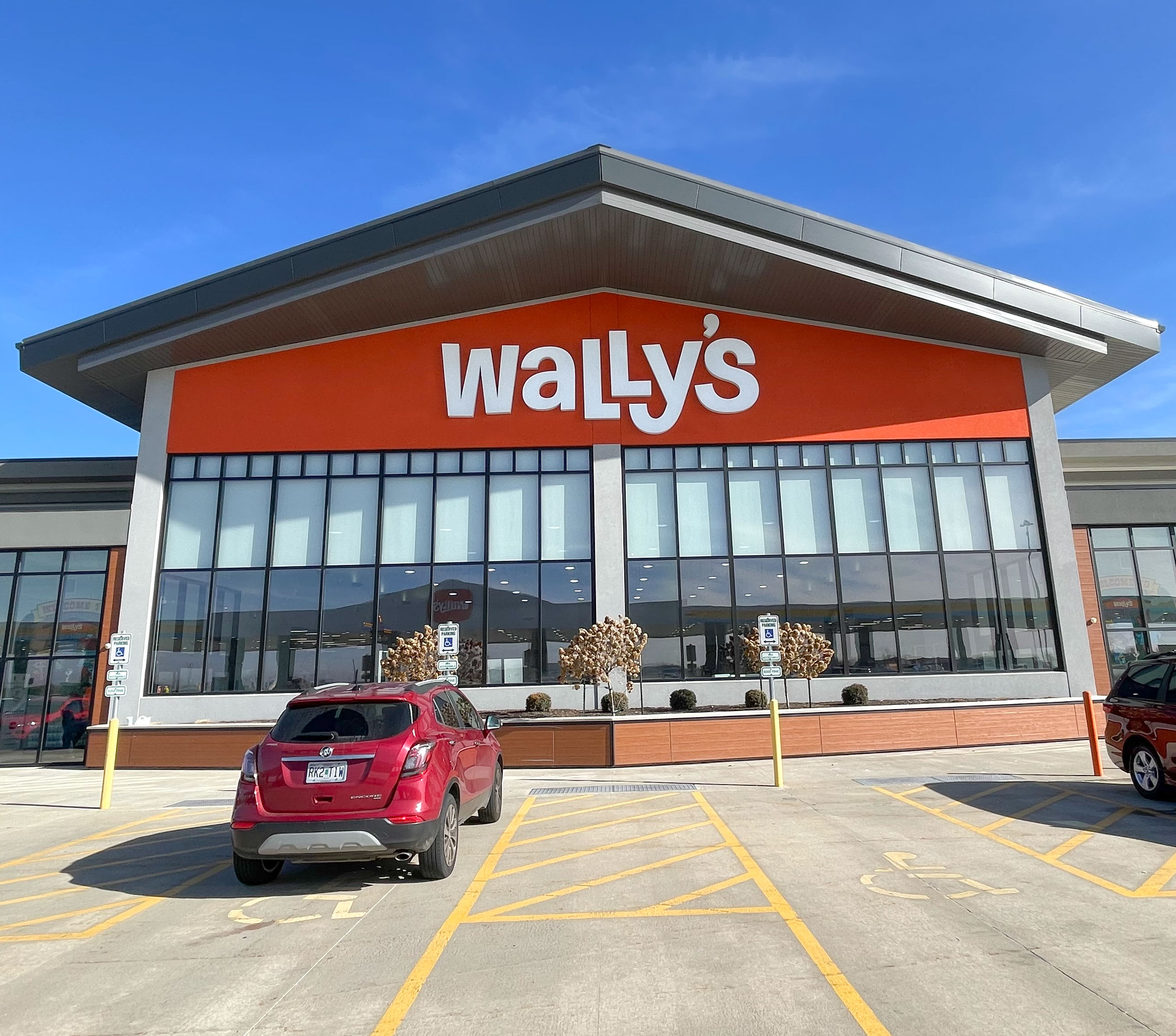
While gas/convenience stores come in every variety of size and offerings, we are also seeing the emergence of super-sized gas station convenience stores, with onsite kitchens, extensive food menus, and dine-in facilities. A good example would be Wally’s in Pontiac, Illinois, located along the old Route 66 and the newer Interstate 55. Wally’s bills itself as “The Home of the Great American Road Trip.” The scale is ginormous. For example, the gas bay has 76 pumps. Inside, there are multiple food stations, including a carving station, a fresh popcorn popping station, gourmet coffee bar, ice cream bar, bakery, beef jerky station, and extensive grab-and-go offerings. In addition to food Wally’s offers clothing, camping supplies, and tourist tchotchke and memorabilia.


The mega truck stops — Pilot Flying J, Love’s, T/A, Speedway — have also broadened their offerings to cater to local customers as well as road-trip car travelers. Of course, embedded in these truck stops are still more franchise food stores: Arby’s, Chester’s Chicken, Dairy Queen, Denny’s, Hardee’s, McDonald’s, Pizza Hut, Subway, Taco Bell, Wendy’s, Dunkin’ Donuts, Cinnabon, and others. The reach of these stops is extensive: Pilot Flying J operates more than 750 locations, Love’s more that 550. In addition to the usual showers, commercial laundries, groceries, and other basics associated with truck stops, the big sites now provide such services as dental clinics, chiropractors, barber shops, and business centers. Love’s has recently begun to co-locate overnight RV stops, where travelers for a fee can hook up to electricity and water and take advantage of all the other offerings on site.

The demise of local food is occurring at the same time that dining out-of-the-home continues to grow. In 2022, 56 percent of food expenditures occurred away-from-home. This trend is accelerating post-COVID: food consumed out of the home grew 16 percent from 2021 to 2022. So, franchise food is capturing a rapidly growing market, even in ex-urban and rural areas.
Of course, the increase of all of these sophisticated roadside food and service alternatives further undermines the local economies of rural downtowns. In the 1980s and 90s, the worry was that big box Walmarts and Home Depots (also strategically located adjacent to highways on the outskirts of towns) would lead to the closures of downtown hardware stores, grocery stores, and independent pharmacies. This effect turned out to be devastating for many rural and exurban downtowns. Now, the hollowing out of small town restaurants, diners, and cafes in rural communities is no less dramatic.
Disappearing are not just quality and diverse food stops, but also a fundamental piece of local community and culture.


 Betsy and Eddie's Van Life